Hospice & Palliative Care in Minnesota
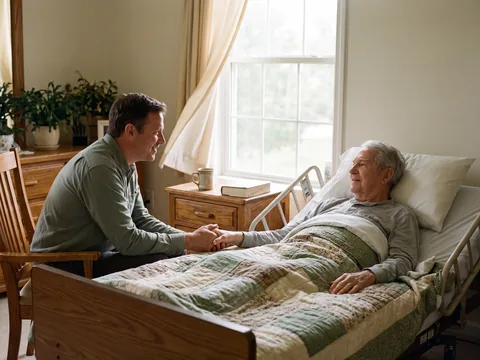
Comfort-focused care for people with serious illness — symptom management, emotional and spiritual support, and help for the whole family, usually wherever the person lives.
155 providers statewide · most in Saint Louis Park, Edina, Saint Paul
Hospice & Palliative Care providers
See all 155 →


Guides on hospice & palliative care in Minnesota
- How to pay for long-term care in Minnesota — Medicare pays for almost none of it. Minnesota's real payers are private funds, Medical Assistance, the Elderly Waiver, Alternative Care, long-term care insurance and VA benefits — and four of them refuse to pay room and board. Here is the matrix.
- How to check a Minnesota care provider’s license, inspections and ratings — Minnesota publishes more free oversight data than almost any state — and nobody explains which tool answers which question. Here is the routing table: who licenses what, where to look, what each tool cannot tell you, and why a good facility may show no rating at all.
Common questions about hospice & palliative care in Minnesota
Who pays for hospice care in Minnesota?
Most hospice care is paid through the Medicare hospice benefit. Minnesota's Medical Assistance state plan hospice benefit follows the same rules and regulations as the Medicare hospice benefit. Because the specifics of eligibility, what is covered, and any copayments change, confirm the current terms with Medicare directly or ask the hospice to walk you through what your plan covers before you enrol.
Source: Medicare.gov — Hospice care
Who licenses hospice providers in Minnesota?
The Minnesota Department of Health licenses hospice providers under Minnesota Statutes sections 144A.75 to 144A.755. A residential hospice facility does not need a separate MDH facility license, but the services delivered inside it must be provided by an MDH-licensed hospice provider. Ask any hospice for its MDH license and verify it before you sign.
Source: MN House Research, "Regulation of Health and Human Services Residential Facilities" (Dec 2021)
Does choosing hospice mean giving up all treatment?
No. Hospice shifts the goal from curing the illness to comfort and quality of life, and you can leave hospice at any time if your situation or your goals change. Palliative care — symptom and comfort management — is available alongside curative treatment and does not require a hospice election.
Source: Medicare.gov — Hospice care
Where does hospice care happen?
Most hospice care in Minnesota is delivered wherever the person already lives — at home, in assisted living, or in a nursing home. Some organisations also operate residential hospice facilities for people who cannot stay at home; a 2021 legislative review counted 15 such facilities in Minnesota.
Source: MN House Research, "Regulation of Health and Human Services Residential Facilities" (Dec 2021)
How do I choose between hospice providers?
Ask about visit frequency, after-hours and weekend response times, which counties they actually serve, and what happens if symptoms escalate at 2am. Medicare-certified hospices deliver the same core benefit, so staffing levels and responsiveness are what families notice most — and those are the things worth asking former families about.
Source: Medicare.gov — Hospice care
Figures and rules on this page are quoted from the sources named above and were last reviewed August 2026. Programs and rates change — verify anything you are relying on with the agency directly before you act on it.